





















Hospice Orillia

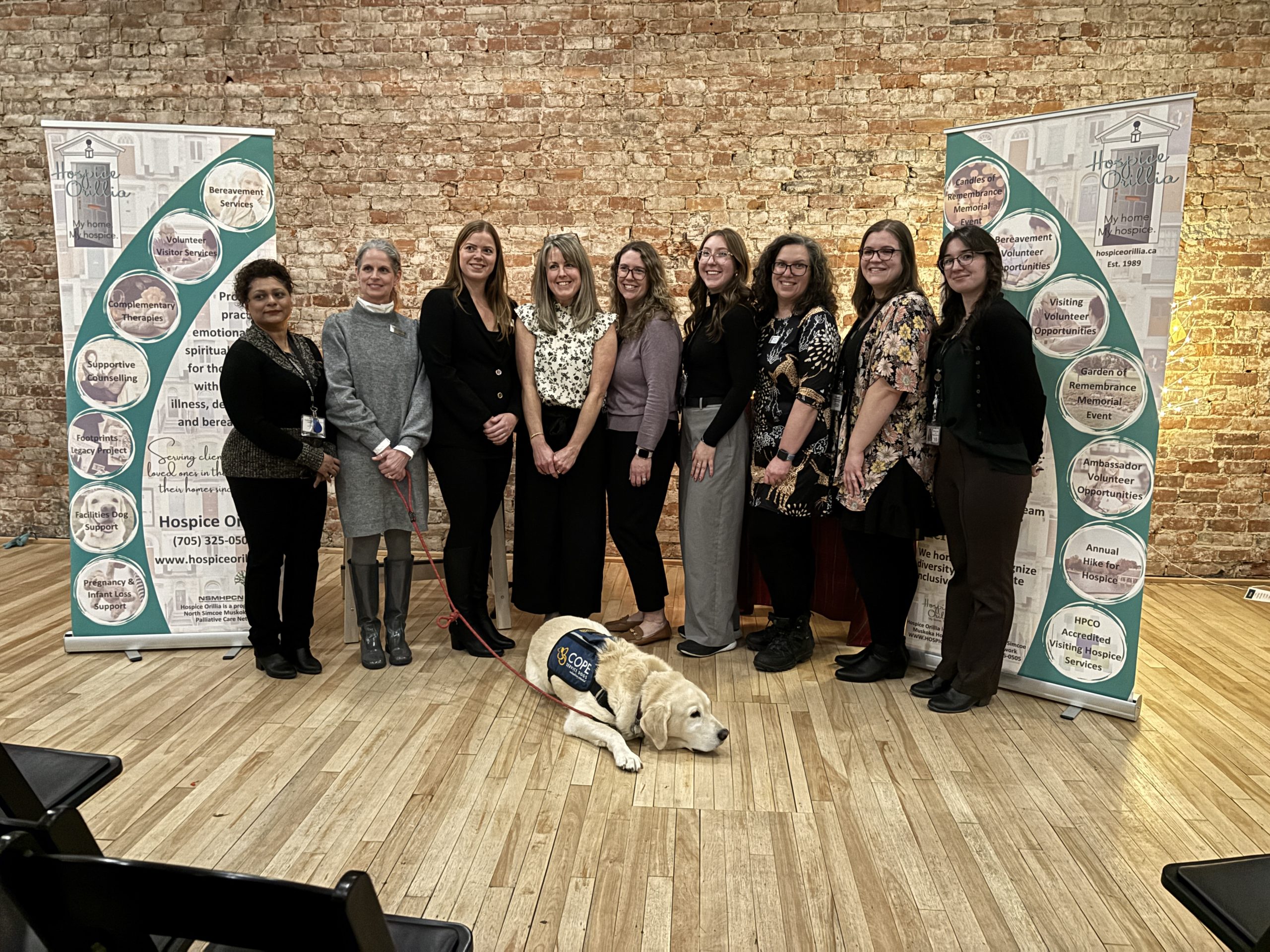
Hospice Orillia offers practical, emotional, and spiritual support to those in our community coping with advanced illness, death, and bereavement.
Our volunteers and staff serve clients and their loved ones of all ages and backgrounds with compassion and respect while honouring their choices and supporting them throughout their life journey. We believe that death is a part of life, a rite of passage. There is much that can be done to help individuals and their families face this time with dignity and quality in their lives. Each person is unique and their distinctness will be respected within an atmosphere of confidentiality.
Hospice Orillia’s services are provided free of charge to anyone living with a life-limiting illness and/or their friends, family members, and caregivers at the client’s home, wherever “home” is.


Delirium
Delirium is a common and distressing neurocognitive syndrome in palliative care, affecting patients with advanced illness, particularly in the final stages of life. It is characterized by an acute disturbance in attention, awareness, and cognition, with symptoms that often fluctuate over time. Delirium may result from multiple contributing factors, including infection, dehydration, medication effects (particularly opioids and sedatives), metabolic disturbances, organ failure, and uncontrolled pain. Early recognition and identification of reversible causes are important, as appropriate management may improve patient comfort and quality of life when consistent with the individual’s goals of care. Prevention strategies focus on addressing modifiable risk factors through maintaining adequate hydration and nutrition where appropriate, optimizing pain and symptom control, minimizing the use of deliriogenic medications, promoting regular sleep–wake cycles, ensuring the use of sensory aids such as glasses and hearing aids, encouraging orientation through familiar people and environments, and supporting early mobilization when feasible. While not all episodes of delirium are preventable, particularly in the terminal phase of illness, a multidisciplinary approach that combines non-pharmacological interventions with individualized medical management can reduce its incidence and severity, while prioritizing patient comfort and family support.